Partition and Independence 1947: Freedom and Tragedy
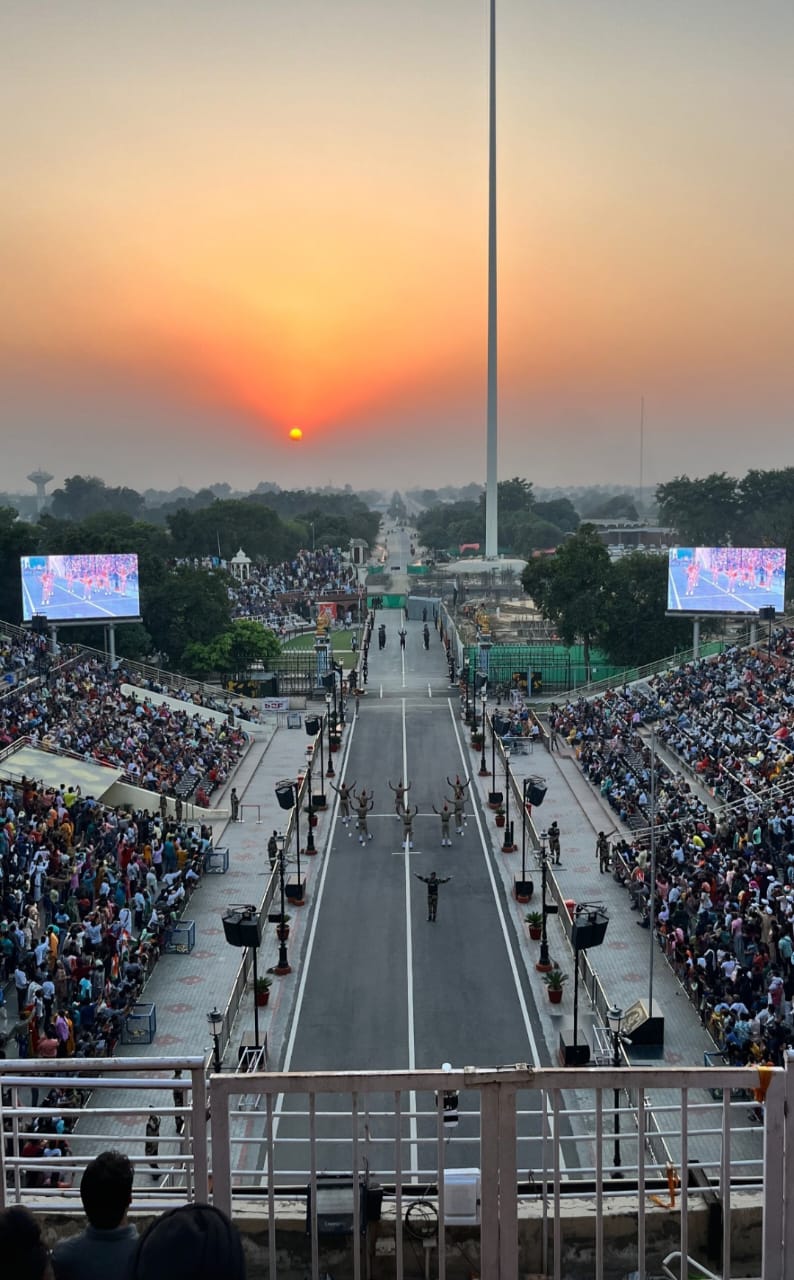
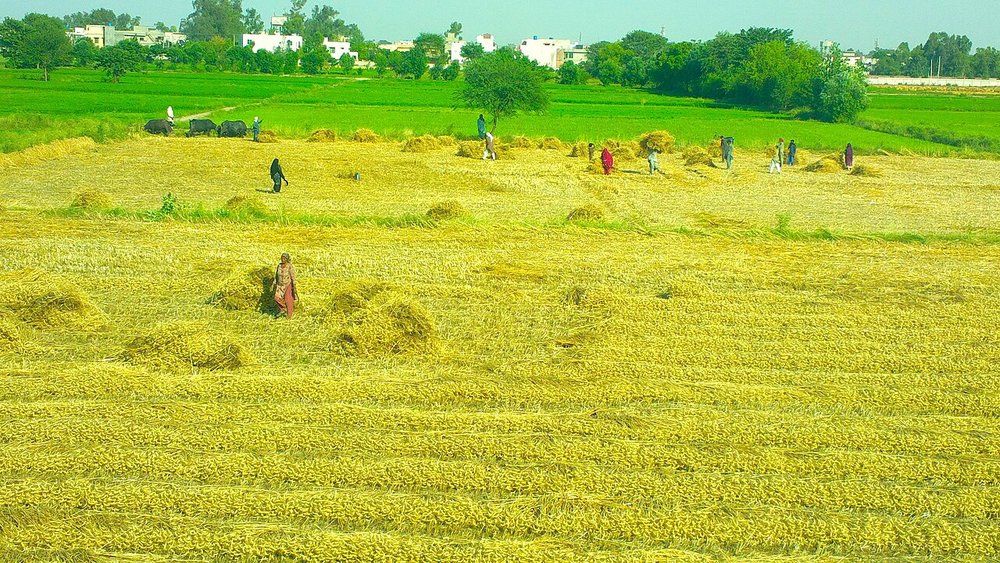
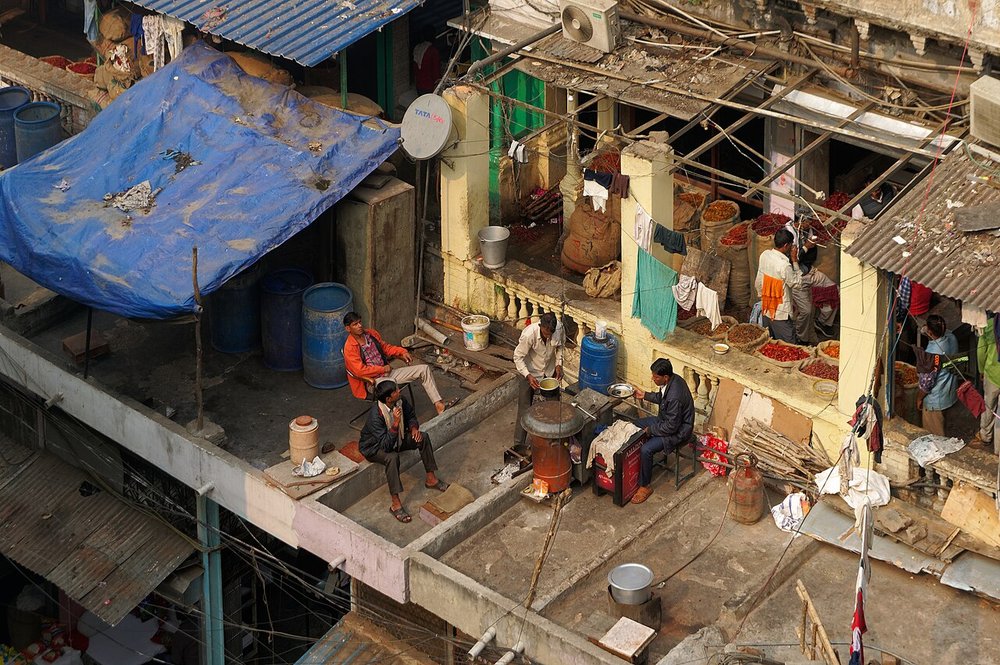
At midnight on 14–15 August 1947, two new nations were born: Pakistan on 14 August, India on 15 August. The British Raj — which had ruled the subcontinent for nearly two centuries — was over. But the freedom that millions had struggled for arrived hand in hand with catastrophe. Within weeks, some 14 million people were on the move, fleeing across a border that had been drawn in five weeks by a man who had never set foot in India before. It was one of the largest mass migrations in recorded history, and one of the bloodiest.
In short
British India was divided into India and Pakistan in August 1947 under the Mountbatten Plan, with the boundary — the Radcliffe Line — drawn in about five weeks. Independence came on 15 August 1947, but Partition displaced roughly 14 million people and killed an estimated 200,000 to 2 million in communal violence.
Why Partition happened
By 1947 the demand for a separate Muslim state, led by Muhammad Ali Jinnah and the Muslim League, and the Congress's demand for a united India had become irreconcilable. Communal violence was rising — the Great Calcutta Killings of August 1946 had killed thousands — and the British, exhausted by war, wanted to leave quickly. In February 1947 Britain announced it would withdraw by June 1948, and sent Lord Mountbatten as the last Viceroy to arrange the transfer of power.
Mountbatten soon concluded that delay would mean greater catastrophe, and advanced the date to August 1947. The Mountbatten Plan, announced on 3 June 1947, accepted partition: British India would be divided into two dominions, India and Pakistan, with the provinces of Punjab and Bengal — where Muslims and non-Muslims lived intermingled — divided between them. The Indian Independence Act, passed by the British Parliament in July 1947, made it law.
A line drawn in five weeks
The task of drawing the border fell to Sir Cyril Radcliffe, a London barrister who had never visited India, knew little of its geography, and was given about five weeks to complete the job. Two boundary commissions, each with two judges nominated by the Congress and two by the League, were supposed to weigh religious majorities alongside rivers, roads, irrigation systems, and communities — but there was no time. The awards were finished by 12 August, and to avoid inflaming the independence celebrations they were kept secret until 17 August — two days after independence — so that millions celebrated freedom without knowing which country they lived in.
Villages found themselves cut off from their fields, and the Sikh community was divided down the middle. The line's arbitrariness became legend: it split districts, canals, and railway lines, and left communities on the "wrong" side of the new border.
The migration and the violence
What followed was the largest mass migration in recorded history: an estimated 14 to 15 million people crossed the new borders in both directions between 1947 and 1948 — Hindus and Sikhs fleeing west to east, Muslims fleeing east to west. The migration was accompanied by massacres, abductions, and village burnings, committed by members of all communities, especially in Punjab. Trains arrived at stations carrying only corpses. No reliable count of the dead was possible at the time, and figures remain contested: estimates range from 200,000 to 2 million, with many historians citing around one million.
At midnight on 15 August, Jawaharlal Nehru, India's first prime minister, told the Constituent Assembly that at the stroke of the midnight hour, when the world sleeps, India would awake to life and freedom. The speech is remembered as the "Tryst with Destiny" speech. But the freedom it celebrated came at a price that still shapes South Asia: the division created two states whose relationship — above all over Kashmir, where a war broke out within months of independence — has remained tense ever since.
What Partition left behind
Partition divided not only territory but the army, the civil service, the railways, and the treasury. It created a refugee crisis that the new governments struggled for years to manage, and it left wounds that are still felt in the families of those who fled. It is remembered in India, Pakistan, and Bangladesh — the eastern wing of Pakistan, which became independent Bangladesh in 1971 — as both a moment of liberation and a tragedy. This guide, like all the guides on this site, gives the figures as ranges, because the exact numbers will never be known, and it does not take a side in the arguments about who was to blame.
| Date | Event |
|---|---|
| 3 June 1947 | Mountbatten Plan announced |
| July 1947 | Indian Independence Act passed |
| 14 August 1947 | Pakistan becomes independent |
| 15 August 1947 | India becomes independent |
| 17 August 1947 | Radcliffe Line published |
Sources: Wikipedia, "Partition of India"; The National Archives (UK), "The Partition of India"; Encyclopaedia Britannica, "Partition of India"; British Library, "Partition of India" Checked 27 November 2026.