Modern India: From Republic to the World's Largest Democracy
On 26 January 1950, India became a republic — a sovereign democratic state with the world's longest written constitution, universal adult voting from the very start, and a population of about 360 million people, most of them poor and many unable to read. In the decades since, that population has grown to more than 1.4 billion, the economy has grown from one of the world's poorest to one of its largest, and Indian spacecraft have landed on the Moon. Modern India is the story of how that happened — and of the challenges that remain.
In short
India became a republic on 26 January 1950, when its constitution came into force. Since then it has held regular elections, fed itself through the Green Revolution, opened its economy in 1991, and grown into the world's most populous country and one of its largest economies — while remaining a parliamentary democracy.
Building the republic
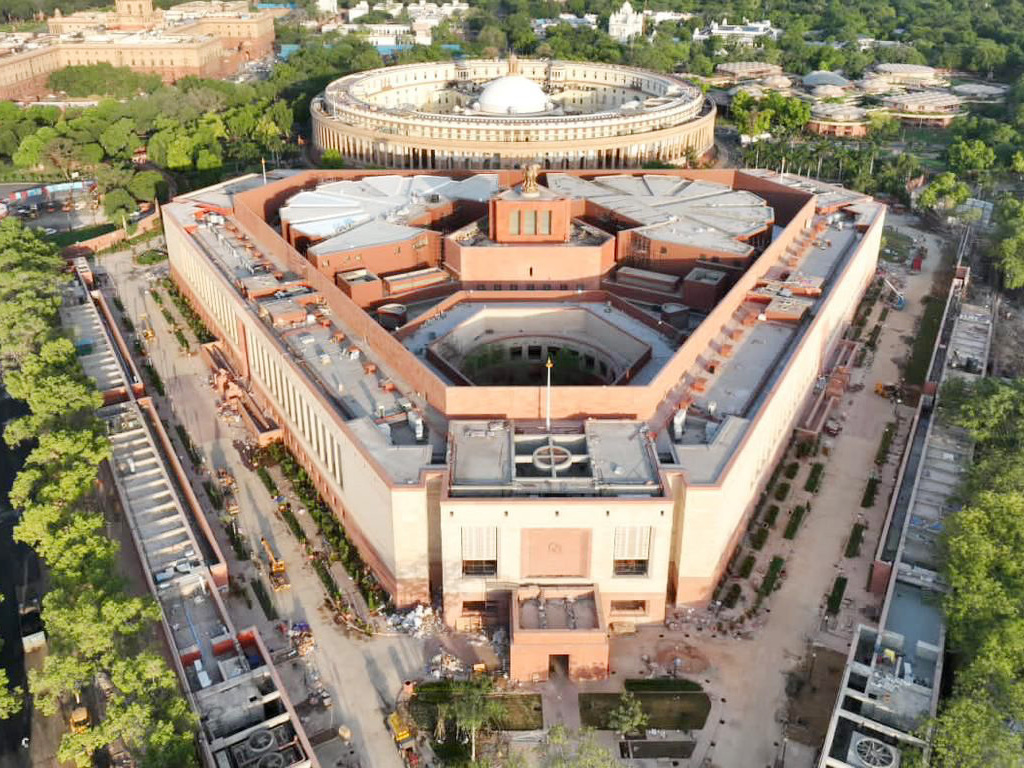
The first task of independent India was to unite a land the British had left as a patchwork of provinces and more than 500 princely states. Sardar Vallabhbhai Patel, as Deputy Prime Minister and Home Minister, used persuasion, diplomacy, and when necessary firmness to bring them into the Union. The second task was the constitution: a Constituent Assembly had been at work since December 1946, and its drafting committee, chaired by B. R. Ambedkar, produced one of the longest written constitutions in the world. Adopted on 26 November 1949, it came into force on 26 January 1950 — the anniversary of the Congress declaration of complete independence in 1930. India became a sovereign democratic republic, with Rajendra Prasad as its first president and Jawaharlal Nehru as its first prime minister.
The constitution abolished untouchability, guaranteed fundamental rights, and gave every adult the vote from the start — an act of faith in a population that was then largely illiterate. The first general election of 1951–52, among the largest democratic exercises ever attempted, proved that faith justified. In 1956 the states were reorganised largely along linguistic lines, a settlement that strengthened rather than weakened the Union.
Nehru's India and its trials
As the first prime minister, Jawaharlal Nehru set India's course: parliamentary democracy, secularism, a mixed economy, and scientific temper. Five-Year Plans prioritised heavy industry, steel plants, dams, and great institutions such as the Indian Institutes of Technology and the atomic research programme. In foreign affairs India co-founded the Non-Aligned Movement, charting a course independent of both Cold War blocs.
The period had its trials. The war with China in 1962 was a humiliating setback. Wars with Pakistan in 1965 and 1971 — the second leading to the creation of Bangladesh — tested the armed forces. In the 1970s the gravest political challenge came when Prime Minister Indira Gandhi declared a national Emergency from 1975 to 1977, suspending civil liberties and censoring the press. Yet when elections were called in 1977, the voters swept the ruling party from power — one of the great affirmations of Indian democracy.
Feeding a billion people
The answer to hunger came from the fields. The Green Revolution of the late 1960s, driven by high-yielding wheat and rice varieties, irrigation, and the work of scientists such as M. S. Swaminathan alongside the American agronomist Norman Borlaug, transformed Punjab, Haryana, and western Uttar Pradesh and ended the fear of famine. India became self-sufficient in food grain. The White Revolution, built on the cooperative model of Amul, later made India one of the world's largest producers of milk.
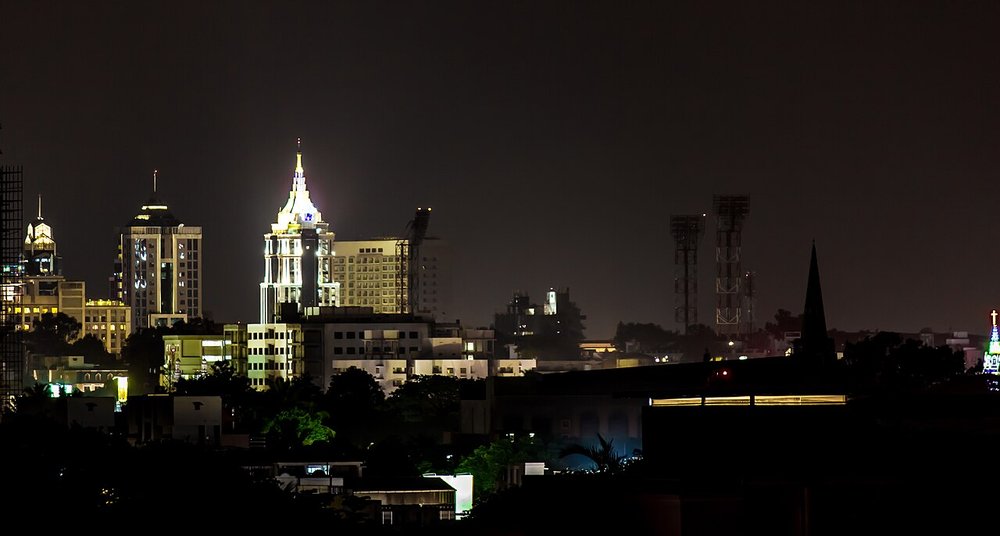
But the Green Revolution did not end poverty, and it loaded Punjab's groundwater with demand. For decades the economy grew slowly under state control — the "licence raj" decided what firms could make and how much. Then, in 1991, a balance-of-payments crisis forced a turn: the government opened the economy to trade and foreign investment, cut licensing, and let private enterprise grow. Growth accelerated, and India's information technology industry — centred on cities such as Bengaluru and Hyderabad — became famous around the world.
India today
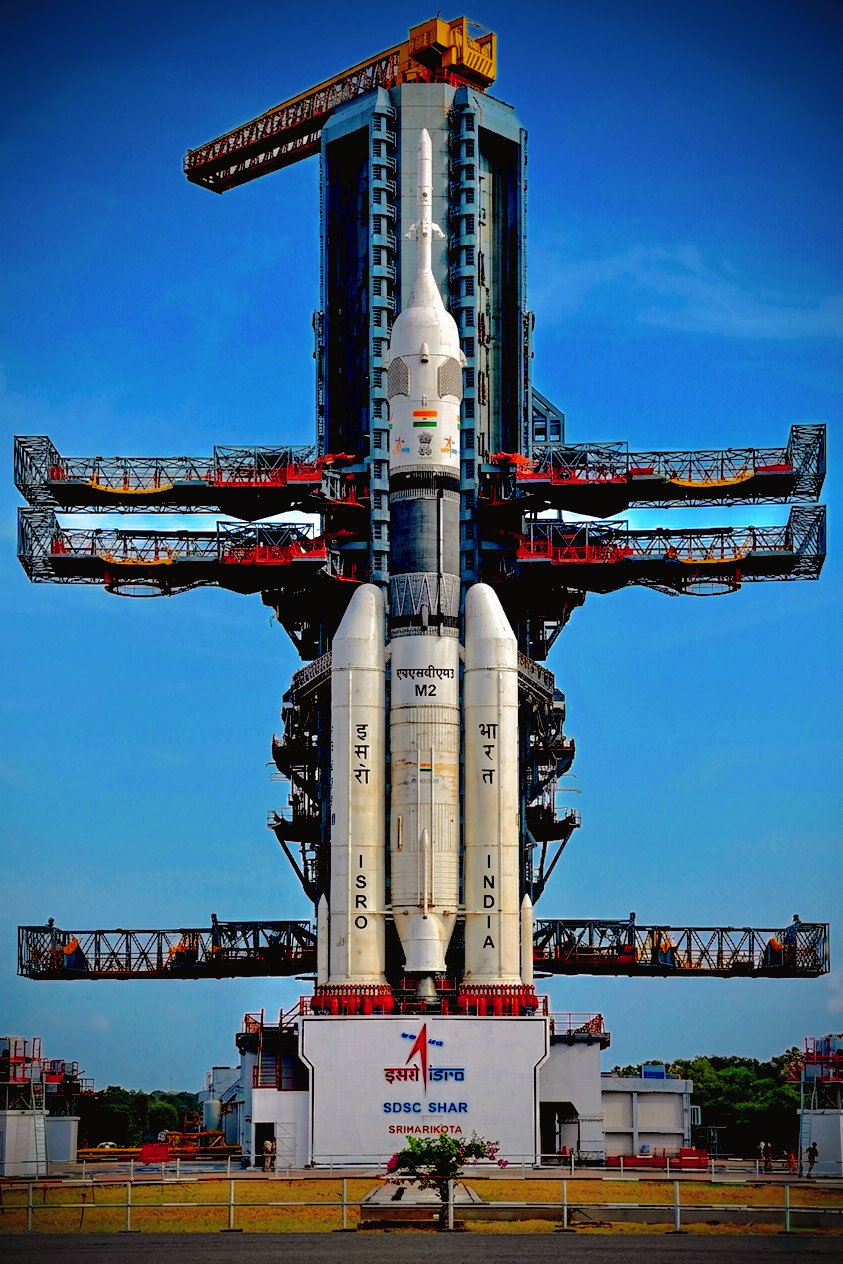
Today India is the world's most populous country: around 2023 it overtook China, with a population of about 1.43 billion according to the United Nations. Its nominal GDP of about 3.6 trillion dollars in 2023 places it among the world's largest economies. It is a nuclear power — it first tested a nuclear device in 1974 and declared itself a nuclear-weapon state in 1998 — and a spacefaring nation: the Indian Space Research Organisation, founded in 1969, landed Chandrayaan-3 near the Moon's south pole in August 2023, and India hosted the G20 summit the same year.
India is also a plural society of extraordinary diversity: 22 languages are recognised in the constitution's schedule, alongside hundreds of others, and its people include the world's second-largest Muslim population as well as large Hindu, Christian, Sikh, Buddhist, and Jain communities. The challenges are real — poverty has fallen greatly but inequality remains, and air pollution, malnutrition, and unemployment are serious problems. But the republic founded in 1950 has held together through wars, an emergency, and the pressures of a billion people — and it remains, by population, the world's largest democracy.
| Year | Event |
|---|---|
| 1950 | Republic proclaimed, 26 January |
| 1951–52 | First general election |
| 1960s | Green Revolution |
| 1971 | Bangladesh created after war with Pakistan |
| 1975–77 | The Emergency |
| 1991 | Economic liberalisation begins |
| 2023 | Chandrayaan-3 lands on the Moon; population overtakes China |
Sources: Wikipedia, "History of India (1947–present)"; Encyclopaedia Britannica, "History of India"; United Nations Population Fund, "State of World Population 2023"; Indian Space Research Organisation, "Chandrayaan-3" Checked 27 November 2026.