The History of India, from the Indus Cities to Today
India is one of the oldest continuous civilisations on Earth. Its story runs for more than 4,500 years — from the planned cities of the Indus Valley, through the hymns of the Vedas, the empire of Ashoka, the golden age of the Guptas, the sultans of Delhi and the emperors of the Mughals, the British Raj, the revolt of 1857, Gandhi's non-violent struggle, the tragedy of Partition, and the republic that followed. This site tells that story in eleven chapters, in plain English. Each guide explains one great chapter: what happened, who was involved, and what it changed. Start anywhere; the story makes sense in any order, but it is best read from the beginning.
Start here
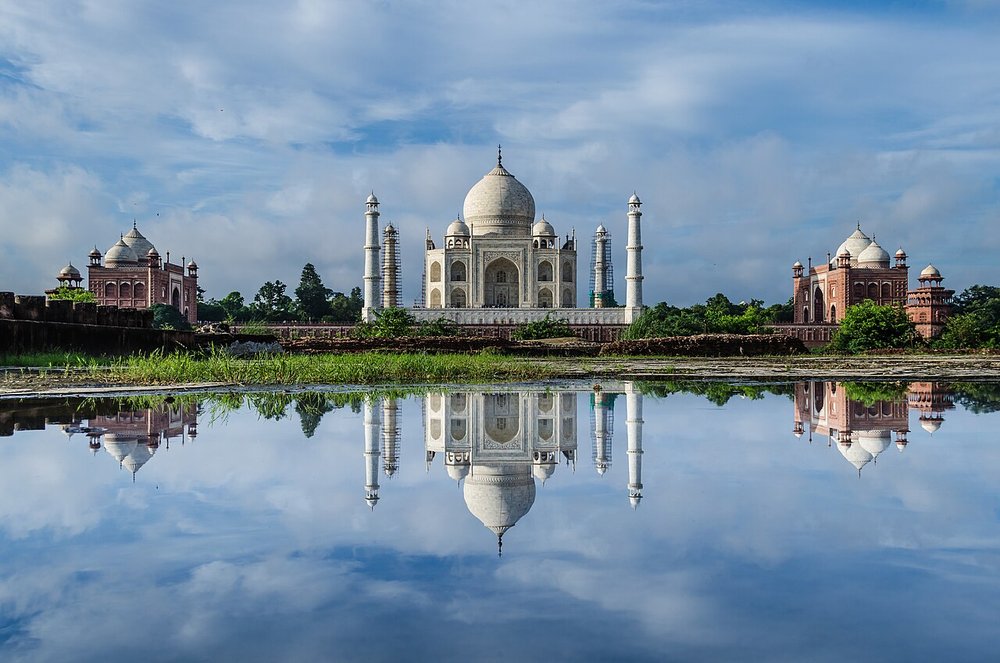
Five numbers tell the story. The Indus cities were flourishing around 2600 BCE — more than 4,500 years ago — and covered more ground than Egypt and Mesopotamia combined. Ashoka's empire, around 250 BCE, was the first to unite most of India. The Taj Mahal took more than twenty years to build, starting in 1632. The revolt of 1857 began on 10 May and ended 200 years of East India Company rule. And on 15 August 1947, India became independent — and Partition displaced some 14 million people, the largest mass migration in recorded history.
Ancient India
- Indus Valley Civilisation — India's first cities: grid streets, covered drains, the Great Bath, and a script no one can read.
- The Vedic Age — the Rigveda, the fire sacrifice, and the ideas — dharma, karma, the Upanishads — that still shape India.
- The Mauryan Empire & Ashoka — India's first empire, and the conqueror who gave up war after Kalinga.
- The Gupta Golden Age — zero, the decimal system, Aryabhata's astronomy, Kalidasa, and the university of Nalanda.
Medieval India
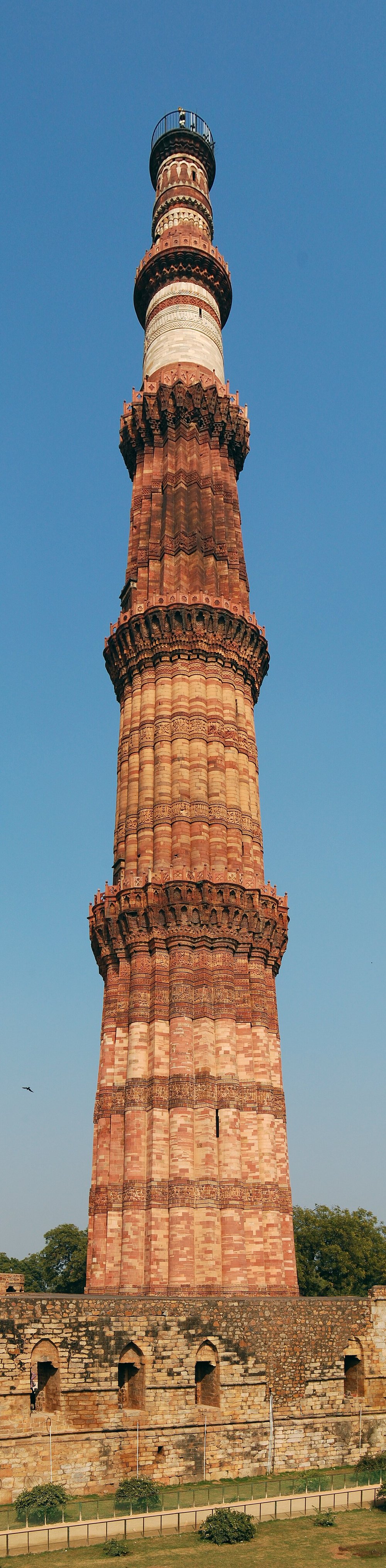
- The Delhi Sultanate — five dynasties, three centuries, the Qutub Minar, and Persian as the language of rule.
- The Mughal Empire — Babur at Panipat, Akbar's tolerance, and Shah Jahan's Taj Mahal.
British India and freedom
- The East India Company & the Raj — how a trading company chartered in 1600 became the ruler of India.
- The 1857 Revolt — the great uprising that began at Meerut and ended Company rule.
- Independence Movement & Gandhi — Non-Cooperation, the Salt March, and Quit India: freedom without violence.
- Partition & Independence 1947 — freedom on 15 August, and the tragedy that came with it.
Modern India
- Modern India — the republic of 1950, the Green Revolution, the 1991 reforms, and the world's largest democracy.
What this site will not do
India Decoded is general information for curious readers, not advice of any kind — it will not tell you what to think about modern politics, and it takes no side in the arguments about who was to blame for Partition or any other contested event. It recommends no products, carries no affiliate links, and never collects your email address. Dates before the modern era are approximate, and the guides say so where the evidence is uncertain; where historians disagree, the guides name the debate instead of picking a side. Figures for Partition deaths are given as ranges, because no reliable count exists.
All dates on this site were checked against the sources named on each page on 27 November 2026. Dates before the modern era are approximate, and each guide says where the evidence is uncertain or historians disagree.
Sources: This site's facts come from primary and reference sources named on each page: Wikipedia, the Encyclopaedia Britannica, the World History Encyclopedia, UNESCO, the British Library, the National Archives (UK), the United Nations Population Fund, the Indian Space Research Organisation, and NCERT.